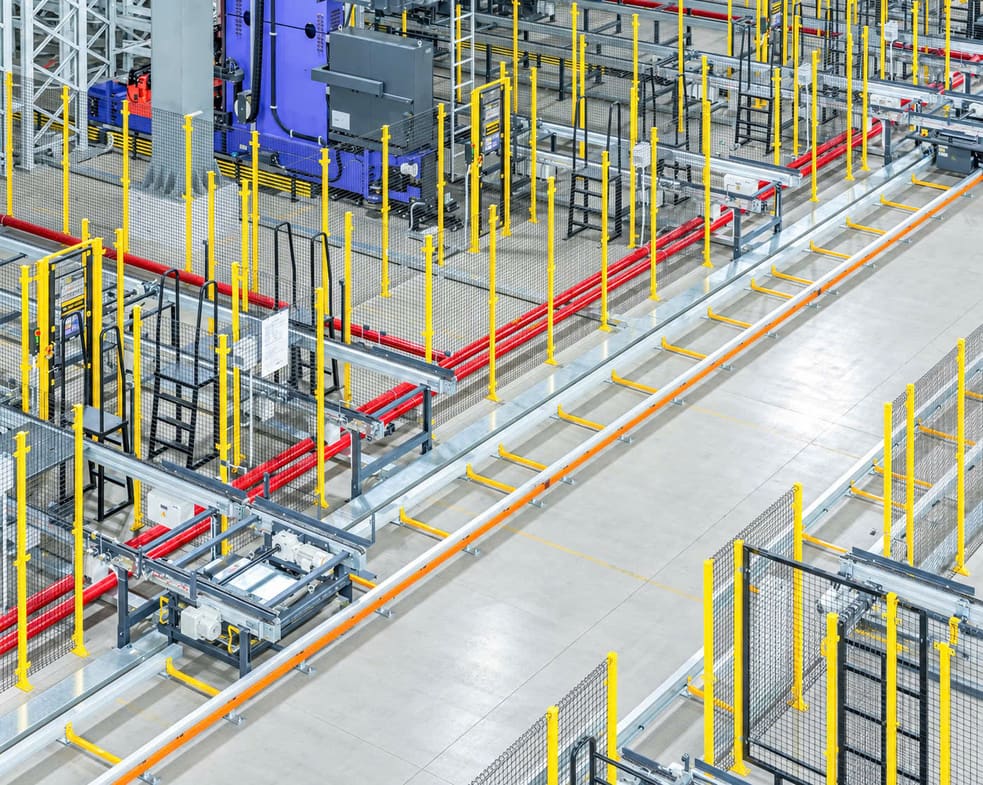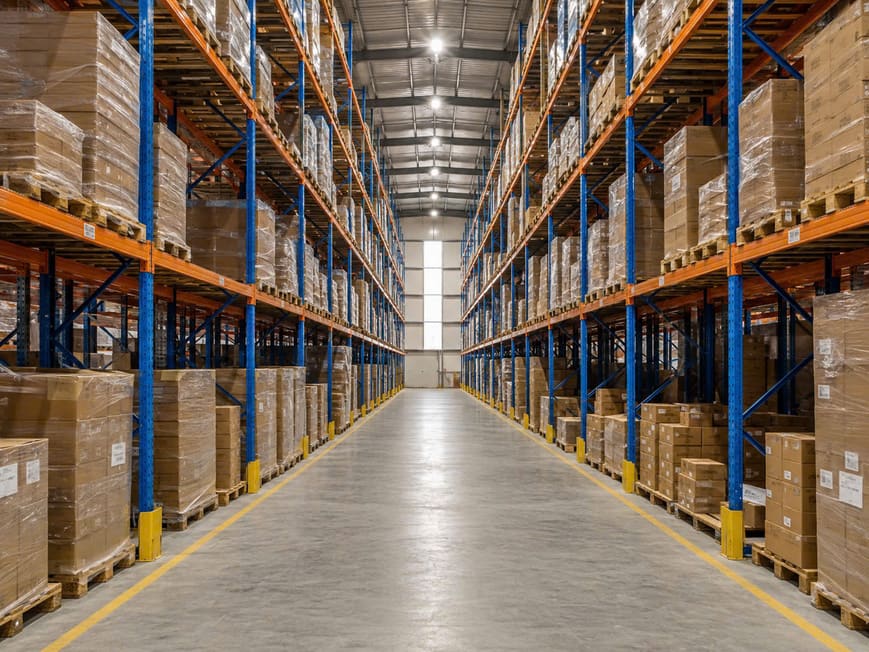
Warehouse automation trends in Vietnam for 2025–2026 favor a staged path: digitize inventory and WMS first, then conveyors, shuttle or AS/RS. AS/RS investment only pays off when density, labor and throughput have already hit the limits of conventional racking.
Five signs it is time to consider AS/RS
- Land lease / footprint expansion costs more than raising height and automating
- Night-shift labor shortages or picking error rates rising with volume
- Need for stable per-shift throughput (tens to hundreds of pallets/hour depending on design)
- Relatively standard load sizes with uniform pallets or totes
- Already running (or ready to deploy) WMS/WCS to sync inbound/outbound orders
Unit Load, Mini Load or Shuttle?
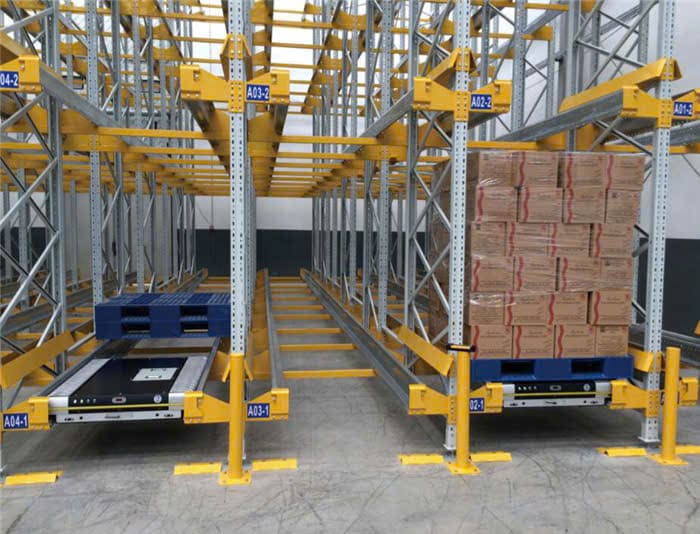
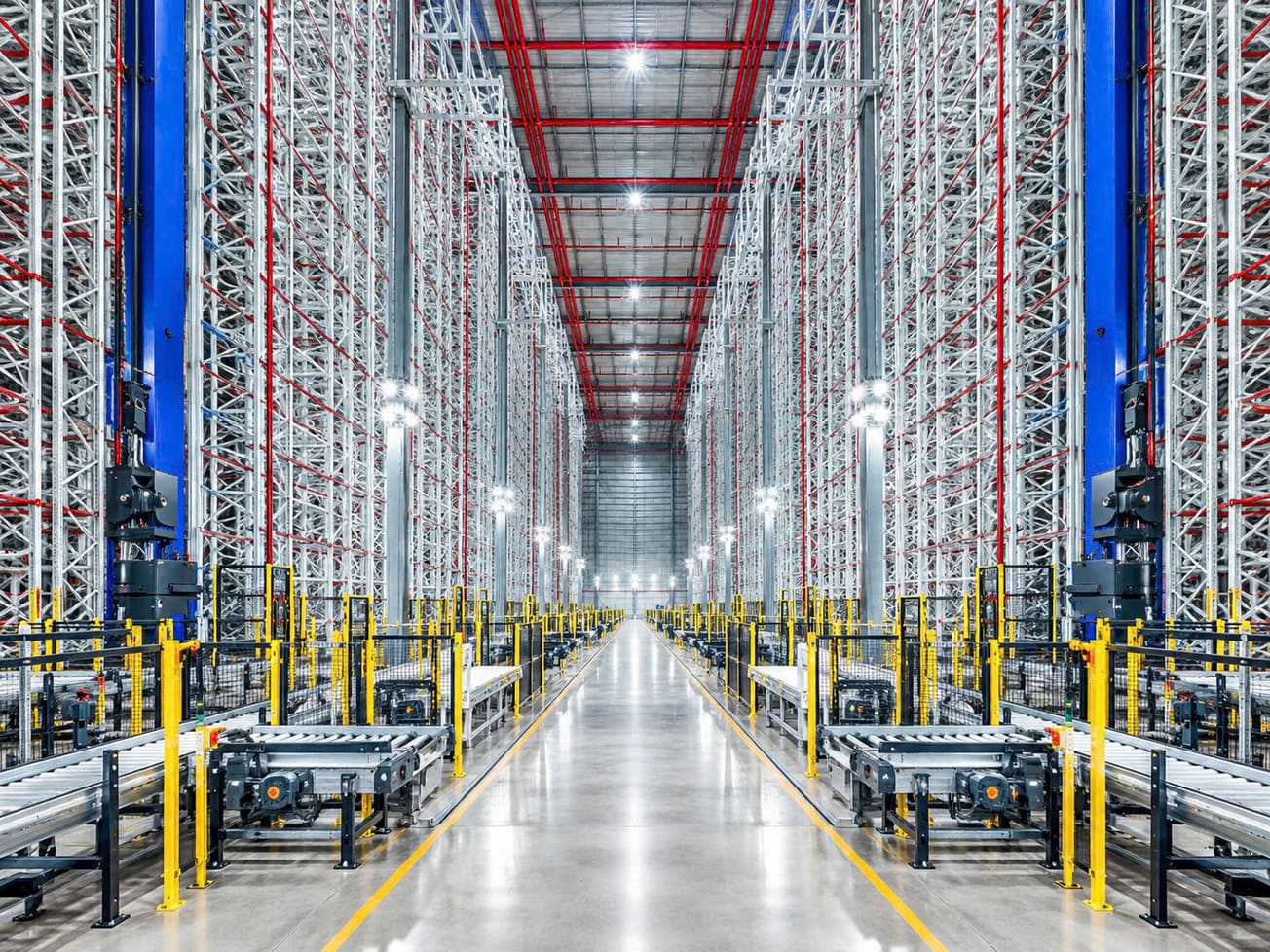
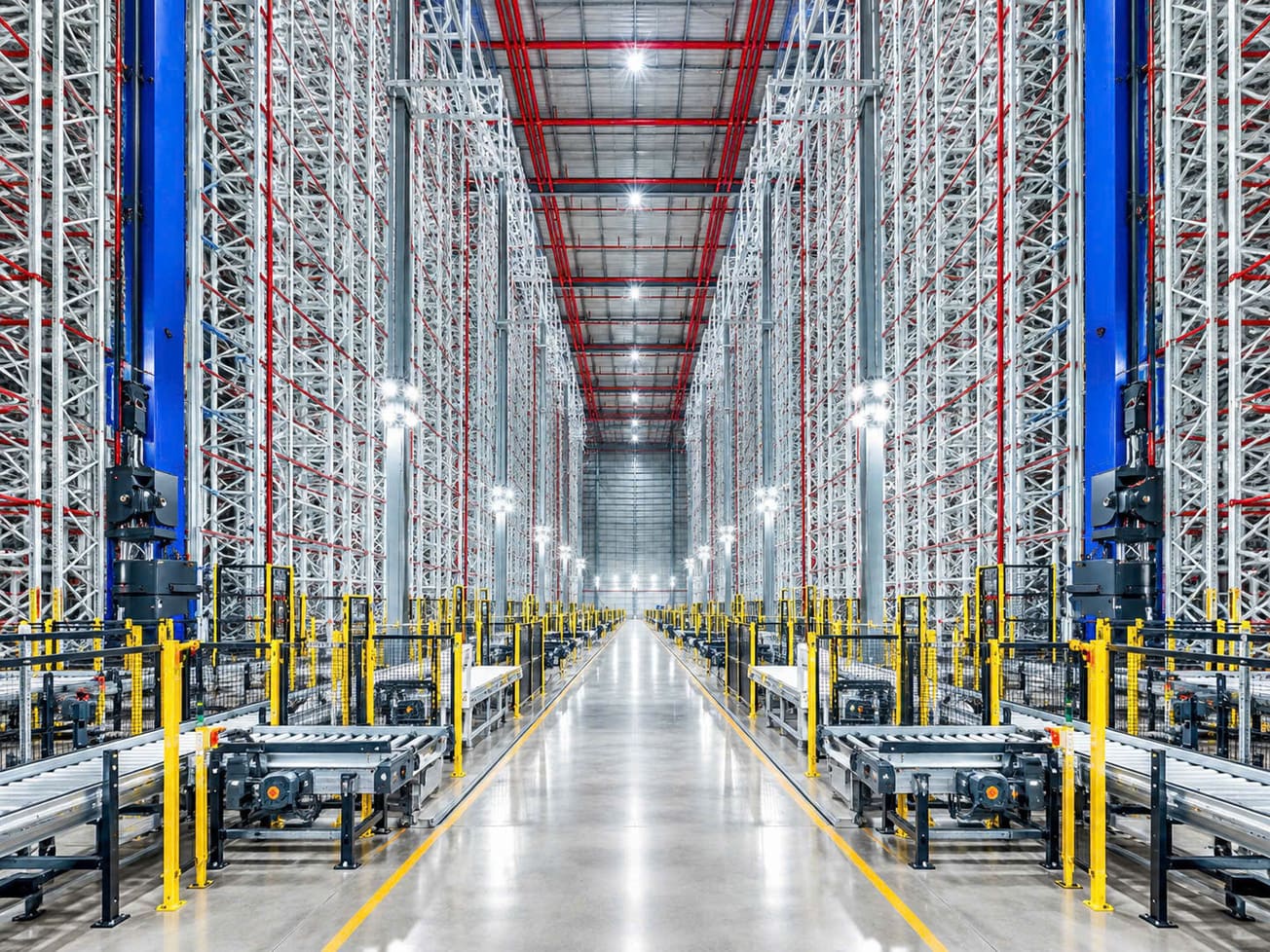
Unit Load (stacker crane) suits standard pallets, high-bay warehouses and high throughput per aisle. Mini Load optimizes small totes/cartons with goods-to-person picking. Shuttle raises density sharply with robots running inside lanes — a fit when you need deep pallet storage while keeping better speed than pure Drive In.
For warehouses under a few thousand positions, stacker crane CAPEX is often easier to model. Larger sites prioritizing 85%+ density and many fast-moving SKUs tend toward multi-shuttle — with more complex software and maintenance in return.
Foundation conditions you cannot skip
AS/RS demands floor flatness, tight rack tolerances and stable unit-load weights and dimensions. Rack design must be synchronized with automation equipment from day one — do not “buy robots then adjust the racks.” Thien Khoi advises aligning mechanics, layout and software integration before locking the solution.
Need storage advice?
Share your floor plan and goods type — Thien Khoi will propose racking or AS/RS that fits your operation.